Promoting observation, free range exploration, sense of place and citizen science through the field notes of a naturalist.


Sunday, 31 October 2010

Cut and apply image of favourite berry eating bird


These berries are plentiful on four ornamental rowan trees outside the former Kwik Save store Brynmawr at the moment. This was the venue for a healthy party of waxwing the last time they visited in numbers a few years back. But it seems the current invasion has yet to filter this far south,  but we live in hope.

Another site worthy of a check is Tesco car park Pontypool where a similar range of berry bearing trees exist - some nice whitebeams. Although beware, using a pair of bins in a public place anywhere in the valleys is likely to result in disapproving glances or even possible arrest. You can fell some nice woodland during bird breeding season, put a terrier down a badger sett, discharge a firearm in a public place in full Rambo attire or drive your 4x4 repeatedly through an upland bog but demonstrate any affinity to the natural world and you're in trouble. The only way of avoiding a spell in the slammer is to plead insanity by claiming you're a birder/naturalist/ecologist.

Tour of the Heads of Valley forgotten blue network produced the following:

Bryn Bach Park - c125 mallard, c75 coot, c50 tufted duck, 4 great crested grebe, 17 pochard, 5 moorhen and several redwing.

Beaufort Ponds - 1 little grebe, 7 wigeon, 4 mute swan, 11 coot, 13, tufted duck.

Machine Pond -  1 little grebe, 1 tufted duck, 17 coot, 10 mallard.

Dunlop Semtex Pond - 1 little grebe, c30 tufted duck, c50 mallard, 6 moorhen, c35 coot, 3 great crested grebe.


Saturday, 30 October 2010

Trust me if there were waxwing around.....


........I'd be out trying to get the desired image, but there's not so you'll have to make do with more of the same I'm afraid. Of all the Canada geese that come and go from Cwmbran Boating Lake I've yet to clock one with a ring. Given the numbers ringed at Llangorse Lake every year this has always been somewhat surprising. So yesterday righted a long standing wrong with the above Christmas meal suitably adorned with an ID tag.


Sunday, 24 October 2010

This is becoming obsessive


Penyfan Pond just for an hour this morning and there were plenty of Grampies taking their Grandchildren to feed those nice little ducks. Unfortunately the 20 or so mallard and a similar number of black headed gull were very timid, so almost impossible to check for rings. It wasn't until I was deleting a rather disappointing crop of images did I find the above. Not much to go on as its a tad out of focus, but looks foreign to me. Also cormorant and common darter.

They're all over the ruddy place


Going about my usual business this weekend I called into Bryn Bach Park near Tredegar for a spot of wildfowl counting. It seems the popularity of duck feeding has both increased the number of domesticated mallard variants as well as wildfowl in general. Although the resultant frenzy of a scrap of bread being dropped into the water by a young family on an Autumn outing mainly involves mallard, coot, black headed gull and mute swan other more cautious species such as tufted duck, pochard and great crested grebe are now becoming involved. This makes for good photography.

However, given my new found past time of bird ring spotting I went on the prowl amongst the black headed gulls once again and just as I was running out of patience and as if by magic one appears. This time not a bird from overseas but one closer to home as it was wearing a nice shiny BTO ring.

Saturday, 23 October 2010

Gwent on the coleoptera map at last


I ran to meet the postman at the garden gate eagerly awaiting the arrival of the latest edition of The Coleopterist. And sure enough there it was, the tell tale brown manila envelope wedged between the Damart Christmas catalogue and another mailshot from Sun Life Insurance.

Carefully pulling apart the covering not to damage the unfranked stamps (retained as security against anticipated postage increases in the wake of the Governments Post Office privatisation plans) I exposed the 63 page bumper edition to the autumn air. Turning over the attractive monochrome cover I read the contents. There amongst the usual notes of new county records and a very interesting looking item entitled 'Canopy interception trapping for beetles in mature and veteran trees at Hatfield Forest, Essex, in 2008'  I paused at the word Gwent. Now having been a subscriber to this most learned of journals for a number of years and never having the joy of reading a decent item on beetles from Wales let alone vice county 35 I'm sure you can understand my momentary state of disbelief.

Contained therein was a six page report by Mr.Coleoptera, Keith N. A. Alexander on 'Coleoptera records from the Gwent Levels area of southeast Wales (VC35), detailing a survey of ground and saproxylic beetles at seven locations along the Levels. The plethora of nationally scarce and local beetles noted once again concretes (sorry I know I shouldn't use this word when talking about the Gwent Levels) the reputation of this area as a biodiversity hotspot and at the same time one that cries out for further study.

In the run up to the period when we all celebrate the birth of baby Jesus by going on a orgy of spending I recommend considering a subscription to The Coleopterist as a present with a difference. Its only a tenner for three issues. See Naturalist Links for more info.

Monday, 18 October 2010

Bread - throw - bird - photo, mission accomplished


The black headed gull with ring was still present at Cwmbran Boating Lake but required a bite to eat to get close enough for a photo. Seems this individual is the product of the Dutch ringing scheme as Arnhem and Holland are clearly visible on said ring. Shame it was upside down- point taken JL!

Saturday, 16 October 2010

Still around


There's still a few summer birds around. Six swallow in flight over Ponthir this afternoon.

Friday, 15 October 2010

Mystery bird revealed


A visit to the Cwmbran boating lake today and sure enough the mystery bird was still present, this time in slightly more colourful plumage than previously. So I can now reveal that I haven't a clue what it is. Its clearly some mallard hybrid but the challenge is pinning down the other species. Can anyone help?

Also at the lake today, 16 Canada goose, 2 mute swan, 100 + mallard and a black headed gull sporting a BTO type metal ring. Bread-throw-photo, maybe tomorrow.

Wednesday, 13 October 2010

A gaffe and I don't mind admitting to it


Its part of my therapy that I recognise my weaknesses and learn to live with them. Back in mid September some of you eagle eyed GOS sightings page watchers will have no doubt clocked an entry from yours truly of 30 fieldfare on the Blorenge. As I write with quaking hand I now feel it necessary to put on record the erroneous nature of this report. Why, you may well ask should a relatively experience naturalist make such a basic identification mistake?

The mistake goes like this:
  • Early start en route for a ringing session at Llangorse.
  • Nice clear morning so stopped to take landscape photo of Usk Valley.
  • Encountered group of about 30 thrushes overhead.
  • Not seen a party of mistle thrushes of this size for ages.
  • Thought I picked up the characteristic 'chucking' call of fieldfare.
  • Returned after ringing and uploaded record.
  • Subsequent days and weeks awaiting a flurry of other fieldfare records in Gwentland, but alas.
I've learned by this error and will ensure I don't jump to conclusions again. So see above photo of a blue tit in celebration of my my new found caution and therapeutic admission.

A 10/10/10 jolly around The British in the hope of a late ring ouzel didn't produce the goods. However did clock a nice group of Richard's pipit or were they meadows? Earlier and in the cloud cover of the morning did note a black throated thrush or was it a redwing?

Thursday, 7 October 2010

Insects abound


With a warmer than average weekend on the cards late insects should be plentiful, as this common darter illustrated today.

Tuesday, 5 October 2010

Off birders radar


Look at any OS map of Gwent and Ponthir Reservoir sticks out like a sore thumb. Why then has it taken birders so long to find it? Its not even listed in the Birds of Gwent as a birding location. Ok itsn't on the scale of the Newport Wetlands or Llandegfedd Reservoir so its capacity to support a rarity will be limited but having visited the site regularly over the past year it can be very interesting for commoner birds.

A lunchtime drop in session yesterday produced 65 tufted duck, 2 cormorant, and singles of kingfisher and little grebe. Late invertebrates included 8 small copper, 2 small tortoiseshell, 2 peacock and 2 common darter.


Sunday, 26 September 2010

Lakeside


The imaginatively named newish development beside a lake in Brynmawr called 'Lakeside' was today's drop in venue. At this former Dunlop Semtex Pond were reasonably good numbers of common wildfowl such as coot, mallard, tufted duck and moorhen. A couple of wigeon and pochard were noteworthy along with a single chiffchaff.

At nearby Beaufort Ponds three little grebe and a mute swan were joined by a Police chopper.

Saturday, 25 September 2010

You could hear a pin drop


With glossy ibis, bobolink and lapland bunting all within a chip and putt of Ryder Cupland the time felt right for an early visit to Llandegfedd Reservoir to pick up a nice passage rarity. Although the reservoir was pristine in the early morning sunlight with hardly a breeze to ripple the surface of the water there was equally hardly any bird activity apart from the usually culprits of cormorant and great crested grebe. Nevertheless there were early signs of wintering wildfowl with 9 wigeon and 11 teal. Other notables were a small group of about a dozen meadow pipit, a single lapwing, three mute swan and the arrival of c140 Canada goose from some point north at 10am.

A roadkill badger was a bloody grisly sight in the back lanes to the reservoir and marsh foxtail showed well towards the north end of Green Pool.


Wednesday, 22 September 2010

Back by popular demand, the mystery bird photo.


Nice to hear  there's a hunger for more mystery bird photos to help all you budding birders improve your ID skills. Much needed after the dabchick fiasco I'd say! The above thing, was on Cwmbran Boating Lake this May. Remember theres no prizes its just for fun.

Sunday, 19 September 2010

Curly wurly


I've been seeing the caterpillar of the fox moth throughout most of this summer but was a bit surprised to find another two this afternoon at the Varteg. This one posed on a rather heavy lump of swirly ironstone. Birds, in particular meadow pipit were on the move, the odd skylark was still around and a flock of about 30 linnet was pleasing.

Monday, 13 September 2010

Diptera dinner


According to the book British Soliderflies (Stubbs &  Drake) theres still time to see the hornet robberfly in all its cowpat dwelling glory. So after a spot of morning bird ringing out of bounds at Llangorse Lake I called into one of this diptera's more recent hunting grounds at Castle Meadows, Abergavenny. Plenty of shoe hugging pats were on offer in varying stages of crustiness but no damn flies. Never mind did find some white spindles Clavaria fragilis as a consolation.

Friday, 3 September 2010

Conehead: Usually disparaging. An intellectual, especially one with little or no interest in mudane affairs.


This dictionary definition just about sums up my 13 year olds opinion of  naturalists. However to naturalists a conehead means either the short or long winged version, the latter of which has witnessed a remarkable expansion in distribution over recent years.

It was not too long ago that the first Welsh long winged conehead was discovered close to the Coryton roundabout near Cardiff since then its become the mainstay of rank grassland throughout south Wales. The individual above was photographed last weekend in Abergavenny near to a pond at the rear of the former Coopers Filters Works. Their power of dispersal were evident when confronted by one flying strongly at head height.

Monday, 30 August 2010

Magor mud and marsh


Early start to catch the rising tide at Magor Pill wasn't worth the effort - should have gone to Llangorse Lake for a spot of ringing instead! Of the birds that did grace the Opticron scope were around nine little Egret, fly past oystercatcher, turnstone, redshank and an assortment of ubiquitous gulls. The saltmarsh was far more interesting though with field grasshopper, short winged conehead and lesser marsh grasshopper. A herd of dumb, but half threatening cattle raced up to the field edge as I got back to the motor. Its thanks to a deep reen separating both interested parties that I wasn't trampled to death. I particularly noticed the one with the two black eyes, a legacy of a previous encounter no doubt. Oh I do over dramatise!

Onto GWTs nearby marshland hoping for something to counter the chilly wind and was instantly greeted by a Cettis Warbler. Elsewhere on the reserve were sedge warbler, several sub song chiffchaff, a couple of little grebe and a single little egret. A bird box containing dozens of common earwig filled another blank tetrad in my emerging orthoptera (and allied insect) altas for the vice county. But that was it, so home to cut the grass and visit the waste transfer station, such joy.


Saturday, 28 August 2010

An all too brief visit.


Following an extended period in doors I managed to squeeze in a short visit to Ponthir Reservoir.

 I must say the grassy banks around reservoir are very nice, but it's a shame they're cut too regularly otherwise they would be even better with Welsh Water picking up some biodiversity brownie points. Nonetheless theres always plenty of inverts on offer including this speckled wood. On the water were 19 tufted duck, singles of little grebe, coot and kingfisher. On return to the car a redstart was a bonus find.

Close but no cigar. Mystery bird revealed.


Yes its a Little Grebe so no correct answers. Watch for more in this exciting series.

Monday, 23 August 2010

Mystery photo


Its just for fun but can anyone identify the bird in the picture? It was taken at Magor Marsh yesterday evening. Shouldn't be too difficult for seasoned birders.

Sunday, 22 August 2010

Back in the swing of things.


Back to local patching after a couple weeks out of the country with a quick shower dodging visit to Llandegfedd Reservoir.

Now I was brought up on a diet of outdoor play, BBC cricket coverage and nest finding. The latter fashioned through pursuing the first blackbird or song thrush nest of the year in March or spending hours on the hillsides locating whinchats later in the Summer. These skills therefore stood me in good stead yesterday when to my surprise and after a good hour of watching from a distance I found my first clutch of Eurasian golfer (Ryder cupus celtic manori) eggs. Surprisingly, this late brood was fairly exposed on the margins of the reservoir and could easily have been predated by a badger, fox, lesser black backed gull or by an unscrupulous collector looking to profit from these unusually spherical and dimpled eggs. Realistically the finding of this clutch should not come as a surprise given the amount of suitable habitat that's been cropping up the length and breadth of Gwent over recent years. Any habitat with a combination of regularly mown grass, surrounded by some standing water and sandy hollows is capable of supporting the Eurasian golfer. Look out for the expected influx of this species and in particular the subspecies 'americana' in October.


Otherwise a party of five sanderling were pleasing along with an adult common tern and three goosander. Between the showers common blue and meadow brown butterflies were very active and the rice krispie liverwort Riccia cavernosa continues to show well.


Saturday, 21 August 2010

Best holiday read ever - with improvised locational bookmark.


'To a person uninstructed in natural history, his country or seaside stroll is a walk through a gallery filled with wonderful works of art, nine-tenths of which have their faces turned to the wall'.
Thomas Huxley.

Between having sand kicked in my face by burly continental naturists - as opposed to naturalists, some people get the two confused - I did manage to get in some relaxing holiday reading. And what a fab book it was. Last Child in the the Woods blows the penny whistle on the de-naturing of today's children and youth. Gone are the days when little nippers made their own unrestricted creative play in the nature environment and in are computers, electronic games, stranger danger, risk aversion and the criminalisation of play. As a result Richard Louv contests that modern society is conspiring to close off children from the outside world with all its health and spiritual benefits and is thereby promoting a Nature-deficit disorder within the young.

On reading this excellent book I had several eureka moments none more so than the chillingly honest section entitled ' The death of natural history'. Louv talks about the existing crisis in the study of natural history whereby the age profile of the membership of natural history societies is commonly in the Saga holiday bracket and for this he points the Pooh stick at the educational system that has ditched the study of this most  worthwhile of subjects. He goes on to point out that children do receive some environmental education often around subjects such as rain forests etc. but that this only fosters a misunderstanding that Nature is only found overseas and in special places rather than on peoples doorsteps. However, the loudest personal 'hear, hear' was reserved for the university system that is producing environmental graduates who have no taxonomic skills whatsoever.

I could go on singing the praises of this book but writing this is keeping me from getting outdoors to sample the splender of the natural world and from my daily roly poly session - its whats keeps me balanced. Suffice to say I wholeheartedly recommend this book and would encourage the raising of Nature - deficit disorder as an issue that needs addressing urgently and by all. Check out http://www.childrenandnature.org/.

Sunday, 1 August 2010

Not all moths fly at night


Pyrausta purpuralis is an attractive and reasonably common grassland micro moth. Commonly encountered in species rich grassland during day light but also attracted to light this moth was noted from a south facing grassland slope at Ponthir Reservoir today. On the water was a female teal, four coot, 26 tufted duck, and two great crested grebe. 

When I grow up I want to provide cover for birders on a wind swept winters day.


This was the message shouted at me from margins of Garnlydan Reservoir this morning. This apparent disused structure lends itself well to a hide to help those birders who put in the effort making the long trek across the hillside to count winter gulls. All it needs is a bit of vision, committment and a small amount of funding - any takers?


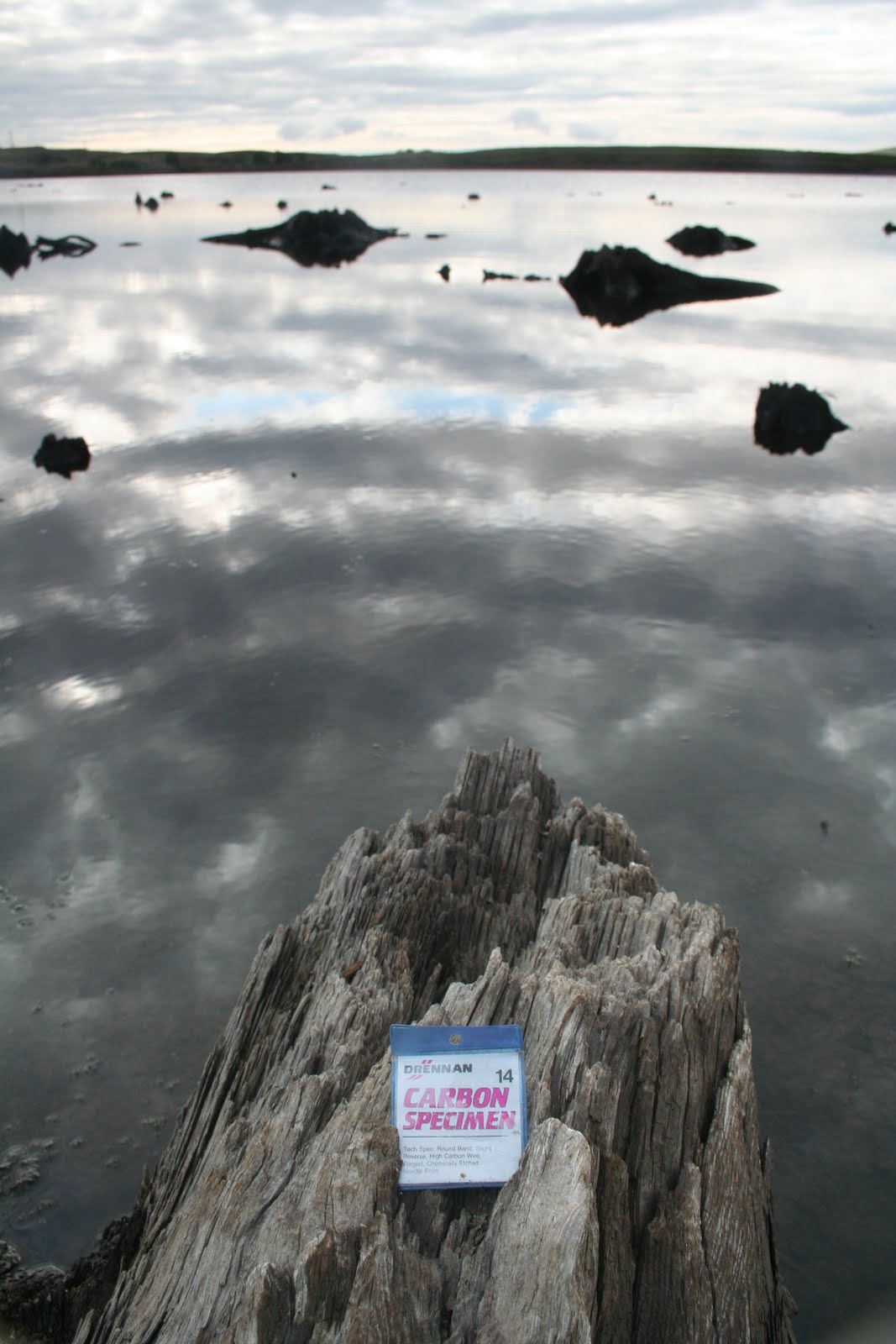
The most interesting feature of reservoir however is the exposed tree stumps on the northern shoreline. Only visible during low water these stumps sit in peat at the waters edge hinting at their longevity. 


Wednesday, 28 July 2010

More from the untamed wilderness


A camera to laptop malfunction has caused much 'pulling of the forelock' in downtown valley bottom. But thanks to a suitable download from the Canon website normal service is resumed.

Blaenavon was once again yesterday evenings venue. Small parties of linnet were prominent and the pair of mallard on Coity Pond are on at least brood number two with ducklings scattering to the four winds when spooked by a middle aged man with a butterfly net - yes me! Carline thistle is now showing well on spoil that is less acidic but the number of moonwort is probably the best I've every known it, with a group of 30 plants behind Coity Tip and another three very large individuals near Big Pit car park.

Thursday, 22 July 2010

Adder nice evening


Had a nice relaxing hour around the rugged landscape of Blaen Pig over looking Pwll du yesterday. Not too much to report other an a couple of adders tongue fern at the base of a re-vegetating coal tip. A good find given the recent Flora of Monmouthshire regards this fern as a lowland species.

Tuesday, 20 July 2010

The conker tree moth


Driving past a large mature blotchy looking conker tree this weekend in Cwmbran reminded me of a national survey for the non native horse chestnut moth (Cameraria ohridella). It seems these trees are under attack from a micro moth, first recorded in the UK in 2002, where its mines sometimes causes extensive discolouring of the leaf and early defoliation. This got me thinking of all the conker trees I knew as a kid, and as a grown up kid, so give Abersychan Park a quick visit just to check if the tree that produced the mega 'hundred and oner' in 1971 was, a) still there, and b) was it supporting the dreaded moth.

Sure enough I was able to confirm both positively. However it appears the moth has only recently found this tree as mines were infrequent and present in low numbers. If you know of any horse chestnuts where you live why check them out for the very distinctive leaf mines. For some excellent photos see the British Leaf Miners website.


Saturday, 17 July 2010

Snap, crackle and pop


I love a summer drought, warm sunny days, a hose pipe ban to irritate those boring get a life middle aged men who spend Sunday mornings lovingly stroking and washing their cars but above all the big draw down zone at Llandegfedd Reservoir (LR). At this time of year that extensive muddy margin is ideal for passage waders, stone tuning and the occurrence of rice krispies. Yes, the liverwort and rice krispie lookalike Riccia cavernosa is now starting to show well on bare mud at LR. When mature this species forms an attractive rosette up to 3 cm in diameter. For more information on this and other mosses and liverworts  I recommend getting your hands on the recently published Mosses and Liverworts of Britain and Ireland a Field Guide co-edited by local lad Sam Bosanquet. The guide gets a five star rating from me!

Wednesday, 14 July 2010

Tufties at last


I've been watching and counting wildfowl at Dunlop Semtex Pond - these days known as Lakeside - for about 20 years and given the steady increase in summering tufted duck it was only a matter of time before a pair would settle to raise a family. This evenings visit confirmed that at long last they have bred successfully. At this point I feel I need to eat humble pie as when the regeneration of land adjacent to the pond got the go ahead a few years back I felt increased levels of disturbance from housing, a supermarket and car parking would affect numbers of birds using the site. In fact the pond has ever looked better, with increased marginal vegetation and the addition of a floating island waterbirds (and gulls) are doing well thank you. Today along with 25 tutfed duck there were two nesting great crested grebe and dozens of mallard and coot.

The nearby Beaufort Pond also supported a similar assemblage of birds but with the addition of a single little grebe.


A:D the gull


Further to my recent blog entry about A:D the colour ringed lesser black backed gull, I now know the origin of the bird. Peter Rock, who has been studying breeding gulls on Bristol rooftops for many years has been in contact with deatils. The bird was ringed by him as a young bird in Bristol on 20th June 2003. With both lesser black backed and herring gulls increasing as breeding birds in Gwent its worth keeping a an eye out for more colour ringed birds.
Related Posts Plugin for WordPress, Blogger...