Promoting observation, sense of place and citizen science.


Saturday, 18 May 2013

Circuit bored


Once again that electric buzz of the grasshopper warbler was absent from the normally reliable Waun afon bog area this morning.Seems like a bit of a population crash unfortunately. 


A poor bunch of birds was brightened by a couple of pairs of reed bunting and a pair of stonechat carrying food. Common whitlowgrass was the best find on the flowering plant front.


Sunday, 12 May 2013

Ethnically diverse


Green Pool Bay at Llandegfedd Reservoir was as diverse as the inhabitants of a high rise block of flats in Leicester. Tensions were running high between the single recently arrived black swan and two rather aggressive Green Pool Defence League resident mute swans. These birds regularly exchanged white on black pleasentries with the harassment of the black swan painful to watch. Suggestions that Australian blacks are more aggressive than the north European whites was certainly not the case on this occasion. All this commotion was witnessed by a male Mandarin duck a number of Canada goose, great crested grebe and a singing reed warbler. Elsewhere 1000's of adder tongue fern were starting to show nicely within the meadow grassland on The Island.

Monday, 6 May 2013

Stag's horn clubmoss - not much to look at, yet!


The target species was the grizzled skipper recorded in the Blaenserchan valley a couple of years back. As a spring emerging butterfly, with the weather suitable and best of all on my local patch all appeared in order for a recording result.


First up was a plentiful and very active population of the bee fly Bombylius major visiting the abundant track side flowering dandelion spp. Here too a speckled wood sunned itself. Where the valley opened out into all its post industrial glory the first green tiger beetle Cicindela campestris took a short flight before landing and running in characteristic fashion. Further coleoptera interest was provided by both adult and larval bloody-nosed beetle Timarche tenebricosa Six individuals were noted in total.  A cuckoo called to a background of a least two redstart, numerous tree pipit and a distant wood warbler


However,r none of the above comes close to the find of the day. Stags horn clubmoss Lycopodium clavatum is a scarce plant in vice county 35 with the Flora of Monmouthshire giving just a four or five records since 1970. I have seen this species recently as a healthy plant exists on the Blorenge which often reduces visiting botanists to a opened mouthed wonderment when in its fully erect coned glory. As for the grizzled skipper - nothing!

Saturday, 4 May 2013

Community artwork


Another early walk around the greater Blaenavon landscape lulled into a false sense of security by a promising weather forecast. The relict red bricked buildings that are a legacy of the open cast operations at Canada Tips are now the canvas for some unregulated community artwork.

I was still hopeful for a passing dotterel but had to be content with four lapwing. There's sure to be a record from some soft-shoe weekender who stumbles across a couple of birds close to a tourist honey pot site this Bank Holiday. The only high point in an otherwise cold bird free morning was another record of fir clubmoss from the bed of a long breached industrial waterbody.


Sunday, 28 April 2013

Trip hazard


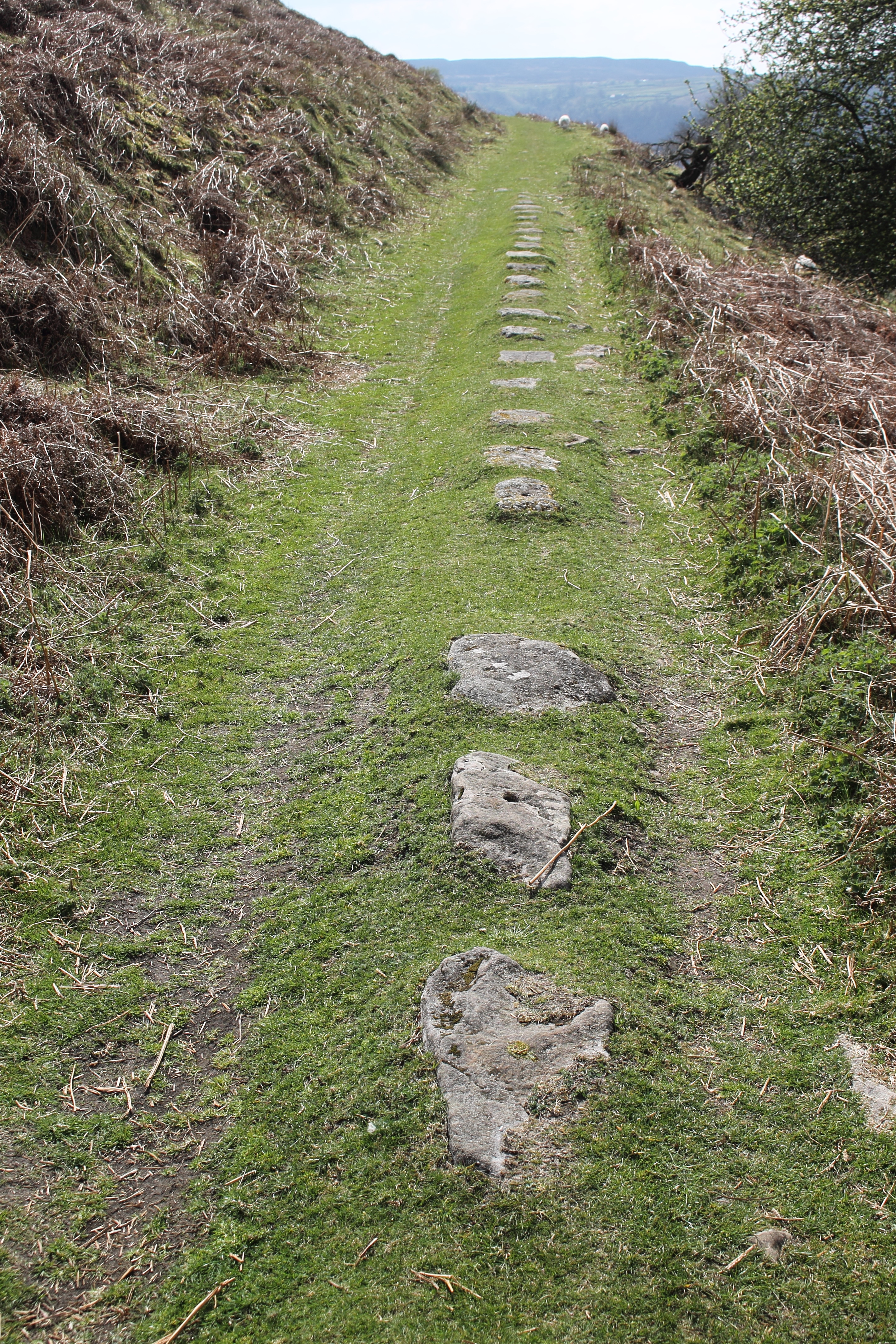
An early Saturday morning start around my Breeding Bird Survey (BBS) square on the Blorenge and the hope of maybe a passing trip of dotterel. If only I'd known of the Brecon Beacons National Park (BBNP)footpath 'improvements' across the SSSI to the trig point I wouldn't have bothered purchasing those crampons and ice axe from the Blacks liquidation sale. Now the Blorenge summit is easily accessible to urbanists in carpet slippers or four inch heels (standard deviation +/- one inch). That nasty woody upland vegetation that scratches your legs rubbed out in favour of a bed of scalpings delineated by stones to prevent walkers straying into the abyss. 

On reaching the trig point the way was sprinkled with the trappings of casual walkers, little black packages of a clay type substance (sausage shaped but easily mailable), fast food wrappings and plastic remembrance flowers that were juxtaposed against a back drop of nationally important dwarf shrub heath habitat. Where the path stopped the wind blew enough to make my eyes water and I ferreted in my jacket pockets for hat and gloves. Here I met a true countryman suitably attired in hoodie and track suit bottoms who passed the time of day and hinted that to continue any further would be full of hazards such as jagged stones, waterlogged peat and buzzards that swoop to take small children to feed their young. I hesitated to ponder his comments but continued nonetheless safe in the thought that I wasn't accompanied by any minors so the risk of buzzard attack would surely be proportionally reduced. I checked for a mobile signal as insurance. Here a red grouse wheeled as if it was defending its territory and a male chased a female wheatear with a glint in its eye. Thankfully I returned home none the worst for my adventure and well within the time frame that I give my family before they need to alert mountain rescue.

Saturday, 27 April 2013

Closer than a black winged stilt


After near on forty years of treading the boards as a jobbing ornithologist come naturalist any notion that I would turn in to a tick box twitcher has been as alien a concept as a north American ruddy duck - and we all know whats happened to them! But this blogging lark is slowly converting me by stealth into a trainee twitcher complete with smart phone and Twitter account. My therapist has told me that a sure sign of progress is moving out of the self denial phase to one that recognises the problem, only then can we work together on a coping strategy.

After a hard day with hammer and anvil I stoked up the ole laptop to find to my shock the GOS sighting page proclaiming 'Stilt Pontypool'. My pacemaker went into overdrive. Where in Pontypool could a black winged stilt turn up? Llandegfedd Reservoir is a possibility, what about the ornamental ponds in Pontypool Park or the pond adjacent to the seventh hole on the outward nine of Pontypool Golf Club or even my Aunt Sally's goldfish pond? - this was quickly ruled out as utterly ridiculous due to the presence of a plastic life size heron deployed as an efficient and cost effective predator deterrent. Alas my initial state of euphoria quickly dissolved into despair when through closer interrogation the record in fact related to Gwent's answer to twitchers heaven the Newport Wetlands. Silly me.

This therefore presented me with a dilemma. Friday night is shopping night how would I convince my good wife and soul mate that our usual trip to the supermarkets around Brynmawr could be still achieved via the Newport Wetlands? It's a simple round trip after all. Pleading came to mind although my 2013 quota for this approach has already been exhausted. Then a flash of inspiration, I suddenly realised  that she's out of the country on business and the decision on where shopping is executed is mine and mine alone. Ha ha! The rest they say is history.

Spot the target species!!

Sunday, 21 April 2013

Silverbacks


The gull colony on the pitched asbestos roof of a haulage company in Brynmawr now supports a substantial population of birds. Some appear to be sitting on nests others are carrying moss in readiness. Birds with rings take a bit of digging out but the with the help of a scope the odd one can be found. This lesser black backed gull with light blue O+M maybe a Cardiff/Flat Holm bird. By the way there was still at least one great black backed gull visible on the roof. Not sure Gwent has ever had an inland breeding record of this species.


Bryn Bach Park was the busiest I've every seen it. The first sunny weekend day of the spring brought out the family duck feeders en masse. As a result parking at the site was difficult and using binoculars in such a public place generated some lingering looks from the ill informed. Although one elderly lady and self confessed RSPB member did take the time to ask if I'd seen anything interesting.

All this duck feeding that often results in a brawl of Canada goose, coot, mallard and gull seems to attract the attention of the lesser scaup. The bird made its way from centre lake to within less that 10 metres when several children loaded with smart price bread appeared. Even so it never seemed interested in the food just in the commotion created by it.


Those followers of this natural history journal will have picked up on my interest in the standing water habitats of the Heads of the Valleys corridor. Collectively they represent a significant wetland resource and I'm sure that if this landscape scale collection of stepping stone habitats had been located in the Wye Valley or on the Gwent Levels those who seek to protect biodiversity for further generations will have taken more of an interest in their value and conservation. 

Unexpectedly an hitherto unvisited pond came to my attention whilst surfing Google Earth. Cefn Golau Pond is a small pond on the uplands above Tredegar not far from Bryn Bach Park. Its unremarkable in terms of quality wetland sites with next to no emergent vegetation but it does have a wooded central island where Canada goose, coot and mallard were residing. A few pied wagtail were flitting about but one bird that had alighted on the outer branches of an island tree caught my attention. It eventually moved to feed along the shoreline and turned out to be a white wagtail.


Friday, 19 April 2013

Do not adjust your set


Spent a couple of hours at Llandegfedd Reservoir this morning hoping for some nice commic terns. Didn't connect with any terns so it was left to a visit to the dam to salvage the morning.

The above poor image of white wagtail that briefly alighted on the dam wall before being helped on its way by a pair of territory holding pied wagtail (lower photograph) was the best I could do. Also three common sandpiper and many blackcap.

Wednesday, 17 April 2013

Wind from the south


Improvement in the weather with winds now from the south has brought a large fall of summer visitors. Soon, due to their increasing commonality I won't even bother noting the presence of chiffchaff, willow warbler, house martin and swallow etc. 

At Cwmbran Boating lake yesterday two pair of coot were utilising the unanchored floating islands not seemingly bothered by the drifting of said platforms. Also on the islands were two common sandpiper.


With the widespread lesser celendine now in flower I wasn't surprised to pick up my first spring  bee fly Bombylius major also several comma butterflies were happily alighting on the profusion of yellow flowers.


Friday, 12 April 2013

A foreign tongue


Llantarnam Ponds south of Cwmbran supports an assortment of introduced domestic fowl, so one can never be sure that this pair of Mandarin duck are not someones idea of a mini wildfowl collection. Whilst the female stayed firmly in the middle of the pond the male was happy to feed on the grass between the pond and the main Llantarnam Industrial Estate road. Although it wouldn't tolerate my approach and on one occasion it took flight confirming its well and truly a free flying bird.


Thursday, 11 April 2013

Chick flick


Given the slow start to the bird breeding season it was something of a surprise to see this recently fledged moorhen on the Mon and Brecon Canal at Griffithstown earlier this week. Its maybe a measure of how bad its been as it appears this was only chick on view.

Sunday, 7 April 2013

Waders, not just for the coast you know


A spring like Saturday was just enough to get me motivated for an early Sunday morning start. At 7am I was parking at Garn Lakes Local Nature Reserve ready for a trek around the greater Blaenavon landscape. First up was a singing reed bunting easily audible from a stand of juncus beside the Blaenavon to Brynmawr road due to a general  lack of traffic at this unearthly hour. Next was a male wheatear. My stealthy approach with camera in hand failed miserably as it dropped down from its lofty perch and out of sight.


A snipe flushed from a track side ditch signalled the first of up to ten other birds during my walk, it seemed that each patch of juncus was hiding a bird only to be revealed when a middle aged naturalist chose to walk through the damn stuff. Lapwings were conspicuous and to my surprise a loudly calling redshank echoed around the landscape as it made its way northwards.


At the top of Canada Tips with impressive views of the Sugar Loaf and beyond and where skylark were in fine voice I put up four red grouse only to disappear over the horizon in typical vocal manner.

Saturday, 6 April 2013

Same shape as an apostrope


Ponthir Reservoir was bathed in spring sunshine this afternoon and to top it all there were no Welsh Water busy bodies in sight to spoil the walk. It was a measure of the improvement in temperature that this comma butterfly was on the wing. On the water was a pair of teal and three goosander.

Tuesday, 2 April 2013

Culturally - modified trees (CMTs)


An item in the February edition of British Archaeology struck a chord with me. The article centred on the on-going study of carvings on beech trees around the Salisbury Plain area apparently chiseled in bark by war time soldiers. Many of these culturally-modified trees or arbroglyphs were more than just attempts at rural graffiti some were detailed images of semi-naked Land Girls in erotic poses. Wow!

This got me thinking of local examples of tree trunk scribblings around my local patch in the woodlands and field margins of the Eastern Valley where the smooth and easily modified bark of the beech tree is commonplace. I've seen these tree carvings off the beaten track in various woodlands. The above photo was taken this weekend on trees at the extremity of the Cwmsychan valley near The British. The most interesting aspect of these markings is that they're often in locations were nowadays people are rarely seen. Clearly these were carved in a time when walking in the countryside was far more popular as a past time than it is today and when pen knifes sat cheek by jowl with conkers, chewing gum and the Observers Book of Birds Eggs in the trouser pocket of any self respecting teenager. Almost all of the modified trees I've found to date carry initials, some with a date attached as in the photo, where 1970 and 1978 can clearly be seen. Unfortunately due to the ephemeral nature of trees these arbroglyphs will have a shelf life. Someone needs to record these now or a part of our modern cultural heritage will be lost for ever.


Sunday, 31 March 2013

A symbol of Welshness


The wild daffodil is a celebrated symbol of Wales and was once commonplace in rural Gwent. Sadly they now take a bit of tracking down. The woods and hedgerows around Llandegfedd Reservoir have always been one of the better spots to find them. These plants brightened up a rather dull and unremarkable birding visit to this fallen beast of a birding hotspot. The two singing chiffchaff completed the long awaited springtime ambiance.

Friday, 29 March 2013

Lesser Scaup


Although just a handful of active birders in Gwent they same to do well in the rare bird finding stakes. The lesser scaup at Bryn Bach Park yesterday evening was showing well in failing light.


Wednesday, 20 March 2013

Great Scott!


The gulls are back with a vengeance on the roof tops around ASDA in Brynmwar. A quick peep Sunday afternoon turned in a count busting total of c150 herring and lesser black-backed gulls. To my surprise in amongst the noisy throng was a couple of great black backs. Although I wasn't able to give the group a good going over for colour rings, one lesser black-backed was detected, but alas I was unable to read the ring. However it could well be the return of blue CHL from its wintering quarters in Spain.

By the way the ASDA killjoys have introduced anti-bird wires to the tops of the car park lamp posts - we wouldn't want bird poo on shoppers cars now would we!


Sunday, 17 March 2013

Through a haze of marijuana smoke


A skater boy complete with board had secured himself a vantage point on top on the hide at Magor Marsh. Unperturbed  by my arrival he continued to smoke a heady mix of 'weed' for the duration of my stay. A nearby Cetti's warbler gave an energy laden burst of loud intoxicated song and a distant reed bunting was also in 'this is my territory mode'. On the lake a male shoveler starred, ably supported by a couple of gadwall, a single teal and the ubiquitous Canada goose.


At Tredegar House Lake gulls once again featured with the Boathouse roof rapidly becoming a Mecca for ring reading enthusiasts. This herring gull sported a colour ring combination I had yet to encounter. On the lake 11 tufted duck were punucated by at least 15 coot.


Sunday, 10 March 2013

Summer plumage Mediterranean gull


A nice summer plumage Mediterranean gull was the star of a short walk up stream of the River Usk from the M4 crossing at Newport. Also four snipe, two redshank and a great black backed gull.


Thursday, 7 March 2013

Island records


The introduction of a number of floating islands and the softening up with vegetation of the margins of Cwmbran Boating Lake has certainly increased the variety of birds using the site. Today this very confiding water rail was openly feeding on an island that had drifted free of its centre lake position coming to rest on the shoreline. The bird was comfortably feeding in the open as joggers and young mums pushing their off spring passed close by. 

Tuesday, 5 March 2013

Faux pas


After a rather sobering identification malfunction - more of which I intend to talk about in a future posting - I got back in the saddle with Mars bar break to Cwmbran Boating Lake. The spring like weather had provoked some birds to sing namely goldcrest and this dipper that was giving it some on the adjacent Afon Lwyd.


The boating lake itself was very well populated with waterbirds. 28 Canada goose with one carrying a Llangorse Lake ring, 50+ mallard, 4 coot, 4 moorhen, 2 herring gull, a single common gull and 75+ black headed gull many of which were loafing about on the floating islands However there was no sign of the water rail that was present late last week. One of the black headed gulls was showing the tell tale signs of being processed by a human(s) with a nice white colour ring. Unfortunately my camera delivers a rather pixelated image when extended to its maximum focal length so I was unable to read the number.


Sunday, 24 February 2013

Riverfront rock pipit


February has been a limp birding month to date. Lack of time and motivation has restricted my activities to just a few snatched visits. Yesterday brightened a touch though as our general Saturday shopping duties turned in four waxwing whilst filling up at Sainburys Petrol Station and a hurried roadside stop just outside Caldicot was required after noting 30+ lapwing and 20+ fieldfare in an adjacent field.

Today followed the same domestic chore pattern as yesterday with more shop visits in Newport but this time was punctuated by 15 minutes beside the River Usk near to the Riverfront Theatre. This turned in the usual mix of gulls, a single redshank and a rock pipit picking its way around the stones at the waters edge.


Sunday, 17 February 2013

Just off the Blorenge


Scrambled around the slopes of Carn y gorfydd just of the Blorenge this afternoon fantisizing about the possibility of a great grey shrike on top of the many scattered rowan trees in the area. Alas it wasn't to be, in fact bird wise the walk was quieter than a church mouse with only a raven and buzzard breaking the silence.

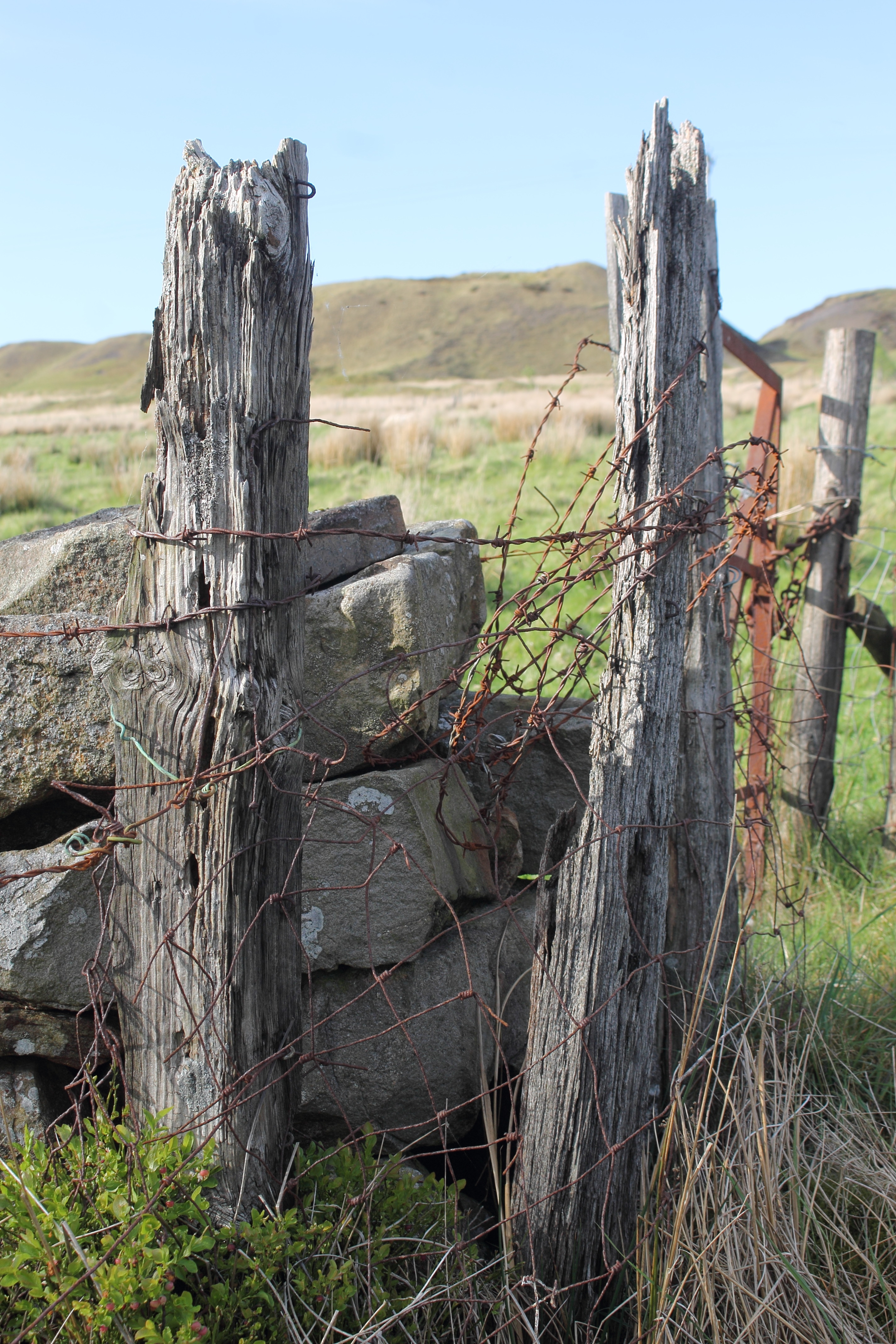
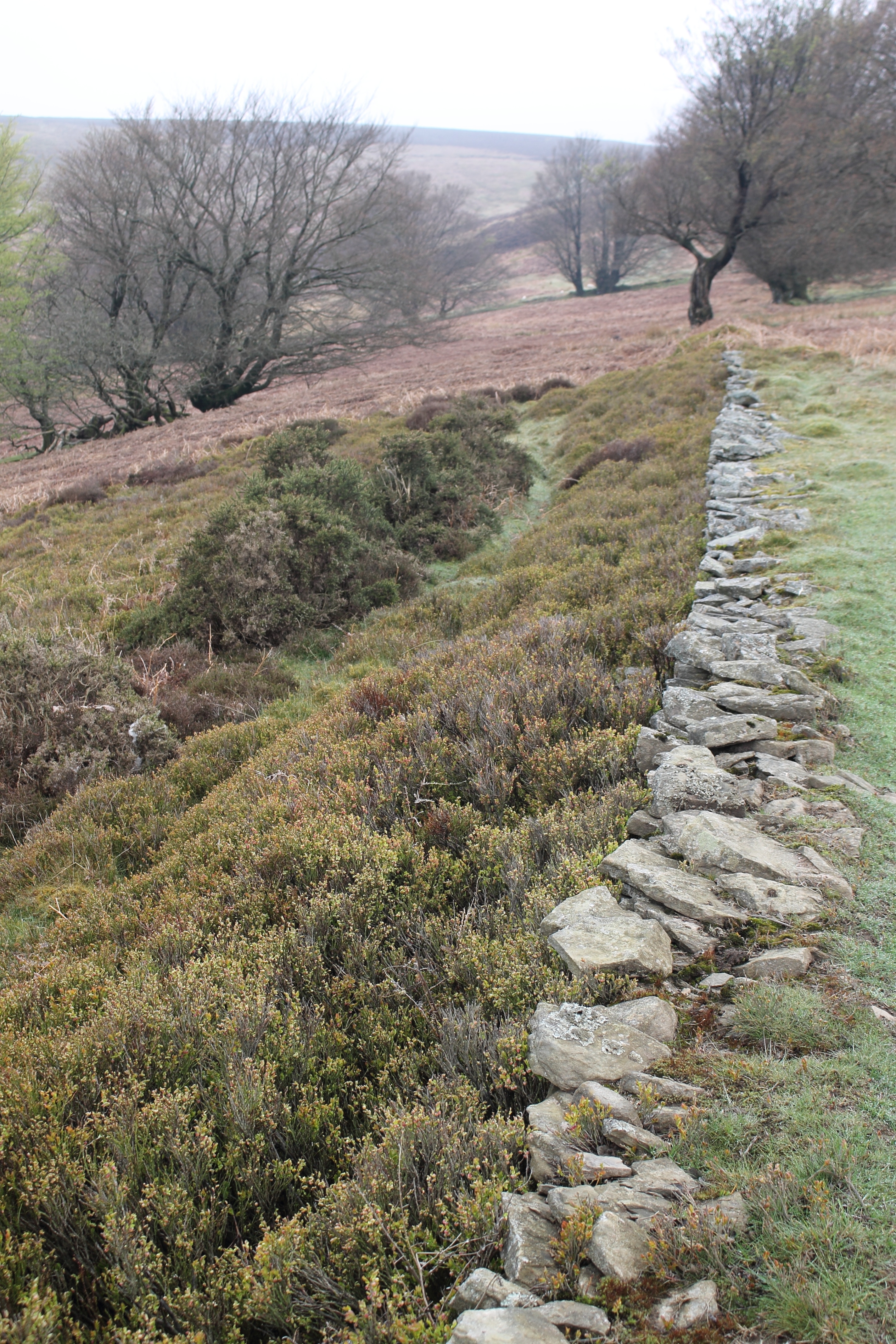
There are some impressive culturally important boundary features across the wider landscape here. From drystone walls to decaying lines of wooden fence posts, many the size of railway sleepers, festooned and caked in various bryophytes and lichens.  The remants of a large dead sessile oak tree was riddled with the exit holes of saproxylic beetles.


Sunday, 10 February 2013

Bottoms up


Another Gwent Goosander Survey visit to Dunlop Semtex Pond produced exactly the same scenario as previous visits, namely no goosander, the long staying colour ringed Montgomeryshire mute swan and a characteristic detergent pollution incident.

Yesterdays Gwent Recorders Forum was once again top notch with some very interesting presentations. Elsa Wood's and Stephanie Tyler's botanical presentation illustrated just how important it is to the record the common and not just the rare. A vice county distribution map for common daisy was sparser than that for early purple orchid. This theme was also taken up by Adam Rowe in his south east Wales map for mole.

The forum is always a good chance to touch base with familiar faces and fellow recorders. There were a few comments about my appearance, including 'you are looking well' which we all know is a euphemism for 'fat'. Another suggested I'm looking more and more like Hugh Fearnley-Wittingstall and one long standing and well respected county recorder hinted at my pending retirement based on my whitening locks 

Thursday, 7 February 2013

Footloose


Its been a lean few weeks for me as my birding has consisted of only snatched lunchtime visits to Cwmbran Boating Lake where the ornithological interest is limited to a few common wildfowl and maybe an odd unusual gull. So anything with a hint of 'different' about it grabs my attention. This common gull on the surface was bog standard, but once it took flight it revealed it had lost both its feet.


Monday, 4 February 2013

Pronounced petals


I'm midway through a spare time (what spare time!) Preparing to Teach in the Lifelong Learning Sector course, acronym PTLLS but pronounced petals. It quickly became apparent to me that my stock approach to talks by Powerpoint with pretty pictures wouldn't cut the mustard if I was going to succeed at this particular challenge. Formal post 16 teaching needs to incorporate so much these days from inclusion, equality and diversity to Health and Safety, numeracy, literacy and ICT, with a touch of healthy living and Education for Sustainable Development and Global Citizenship sprinkled on the top for good measure. 

There's only a couple of sessions left, one of which is a 30 minute Micro Teaching session that will be, gulp, filmed!! We've been advised to pick a subject to talk about that we are interested in. Whilst some former attendees as an example have delivered a session around the History of the Musket or the finer points of Yoga I'm toying with the lofty concepts of Citizen Science or Nature Deficit Disorder. Am I being too ambitious?